

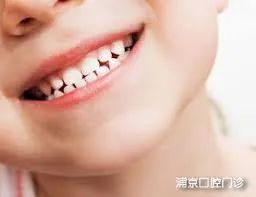
Good dental care for young children is extremely important. Tooth decay not only affects appearance, but also causes pain for kids, leading to poor appetite, irritability and other issues. Therefore, preventive measures in daily life are essential to avoid cavities.
1. Skipping mouth‑rinsing after taking cough syrup
Cough syrup contains high sugar content and can trigger dental caries. This “hidden sugar” is often overlooked. Many parents give children medication right before bedtime, which allows sugar to stay in the mouth for long periods and increases cavity risk.
Make sure children rinse or brush their teeth after taking cough syrup or throat lozenges.
2. Alternating hot and cold foods
Teeth are highly temperature‑sensitive. Children’s developing teeth may ache under hot‑and‑cold stimulation. Untreated tooth sensitivity can gradually develop into pulpitis or periapical inflammation. Parents should avoid letting children chew ice cubes. When having hot‑pot meals in autumn and winter, cool down food before serving.
Food should feel lukewarm against the lips before eating, to prevent toothache caused by extreme temperature stimuli.
3. Drinking milk or fruit juice before bedtime
Milk is high in lactose and fruit juice contains large amounts of sugar. Sugar residues inside a child’s mouth are a major cause of cavities.
Milk leftovers in the mouth also promote bacterial growth that harms teeth. Going to bed without oral cleaning after drinking milk leaves sugar lingering for hours and easily leads to tooth decay.
4. Using teeth as tools to open objects
Children often imitate adults and bite bottle caps with their teeth. Even if the cap comes off successfully, invisible micro‑cracks may form on the tooth. These tiny problems go unnoticed at first. As cracks deepen, chewing pain and discomfort appear and keep worsening.
Younger children cannot bite bottle caps but may tear packaging with their teeth. This exposes the mouth to bacteria on package surfaces.
5. Teeth grinding (Bruxism)
Frequent teeth grinding causes premature tooth wear and exposes dentin, resulting in dentin hypersensitivity. Sharp pain occurs when exposed to hot, cold, sour or sweet stimuli.
Severe tooth wear reduces tooth height and over‑fatigues facial muscles, triggering temporomandibular disorders (TMD). Children may suffer soreness in the jaw joint and surrounding muscles when speaking, singing or eating; in severe cases, mouth opening becomes difficult.
6. Overeating
Overconsumption of rich, spicy and fried foods may cause indigestion, mouth ulcers and angular cheilitis. Combined with poor rest and more frequent eating, oral inflammation can flare up and bring on tooth pain.
Parents should guide children toward balanced nutrition and proper portion sizes. Avoid unrestrained eating habits.
7. Excessive snack intake
Less saliva is produced while snacking, so food particles cling more easily to teeth, especially starchy foods. Limiting snacks does no harm to children’s health. Parents should set fixed portions and times for snacks.
Snacks should generally be avoided before meals and bedtime, especially cakes and candies at night. If children must eat snacks before bed due to hunger, they must brush or rinse their mouth thoroughly afterward, otherwise dental caries are very likely to occur.