
Pediatric dentists provide comprehensive oral care for children, adolescents, and patients with special‑needs conditions.
Importance of Dental Care for Children
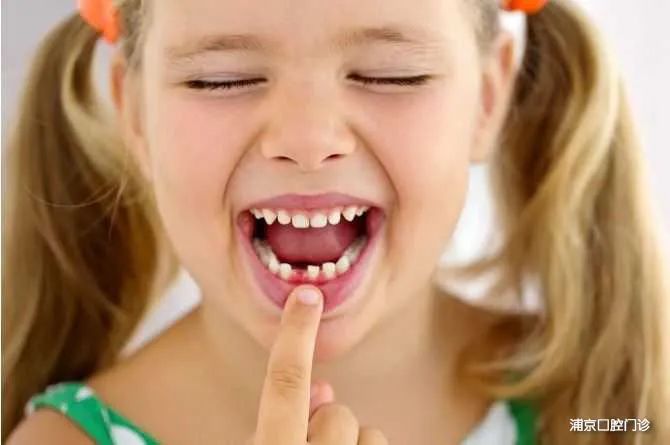
Children’s primary teeth start to erupt at around six months old. At age six or seven, they begin losing their primary teeth, which will eventually be replaced by permanent teeth. Without proper dental care, children may develop oral decay and diseases that can lead to lifelong pain and complications. Early childhood caries is five times more prevalent among children than asthma and seven times more common than hay fever.
At what age should children visit the dentist for the first time?
A child’s first dental visit should take place before their first birthday. For optimal preventive results, it is recommended to schedule the visit when the first tooth erupts, which generally happens between 6 and 12 months of age.
What to know before your child’s first dental visit
The dentist will conduct a thorough examination of the teeth and gums and perform professional pediatric teeth cleaning. Dental X‑rays will be taken only when clinically necessary. Unlike adults, most young children do not require X‑rays during their first appointment. The dentist will make a careful decision based on each child’s individual condition.
This is also a valuable opportunity to consult your dentist about home oral care for your child:
‑ When should breastfeeding be discontinued?
‑ Are there restrictions on daily sugar or snack intake?
‑ How should kids of different ages brush their teeth?
‑ What type and amount of toothpaste work well for different age groups?
‑ How to choose fluoride‑containing toothpaste?
‑ Should children use dental floss?
‑ What is the average number of erupted teeth for each age group?
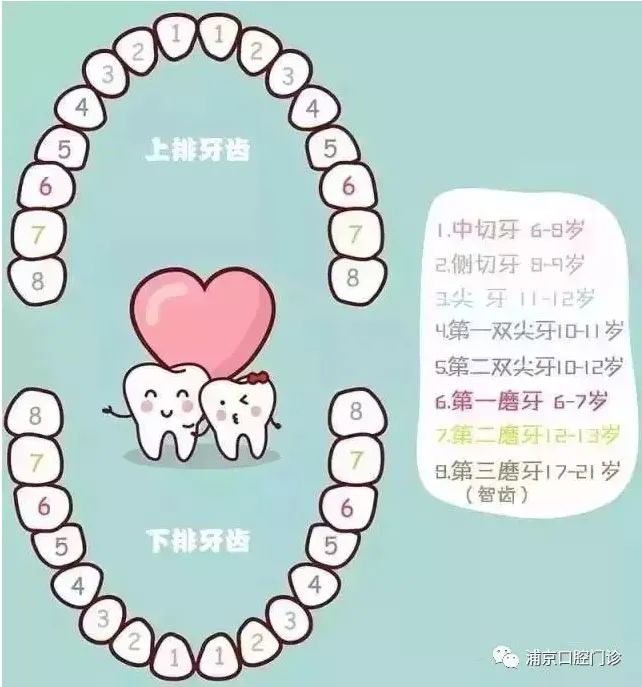
‑ At what age should each primary tooth fall out?
‑ How can children’s beverage needs be met while minimizing cavity risks?
You can discuss all these questions with your dentist at the first visit to receive evidence‑based advice.
What parents can do to reduce children’s anxiety and discomfort on their first dental visit
Parents’ positive attitude toward oral care serves as a great role model for children. If you devote sufficient time and patience to help your child build good habits — thorough brushing, regular flossing, healthy eating, and routine dental check‑ups — children can easily maintain good oral hygiene and sound dental health well into adulthood.
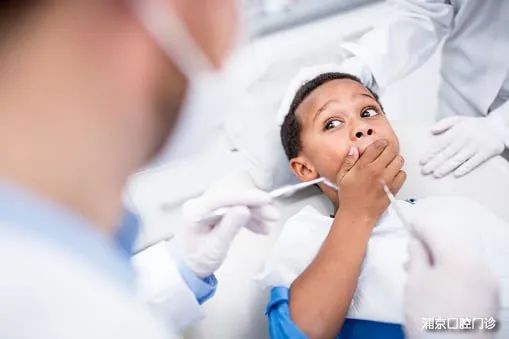
Use positive language when talking to your child ahead of the appointment. Avoid words such as “drill”, “needle”, or “it will definitely hurt”. Going to the dentist is not an ordeal; it is an opportunity for oral care to keep teeth healthy and attractive.
Never threaten your child by saying “If you misbehave, I will take you to the dentist”. This may trigger dental phobia before they even see a dentist. Negative impressions of dental treatment can cause long‑term resistance toward dental care.
If children start seeing a dentist when their teeth are pain‑free and asymptomatic, the first visit can be entirely pain‑free and non‑invasive. All follow‑up appointments will focus primarily on prevention. This protects children’s dental health and helps them form a positive view of dental visits, seeing them as a normal, health‑promoting habit, rather than associating dental treatment with pain and noise. This prevents dental fear later in life.
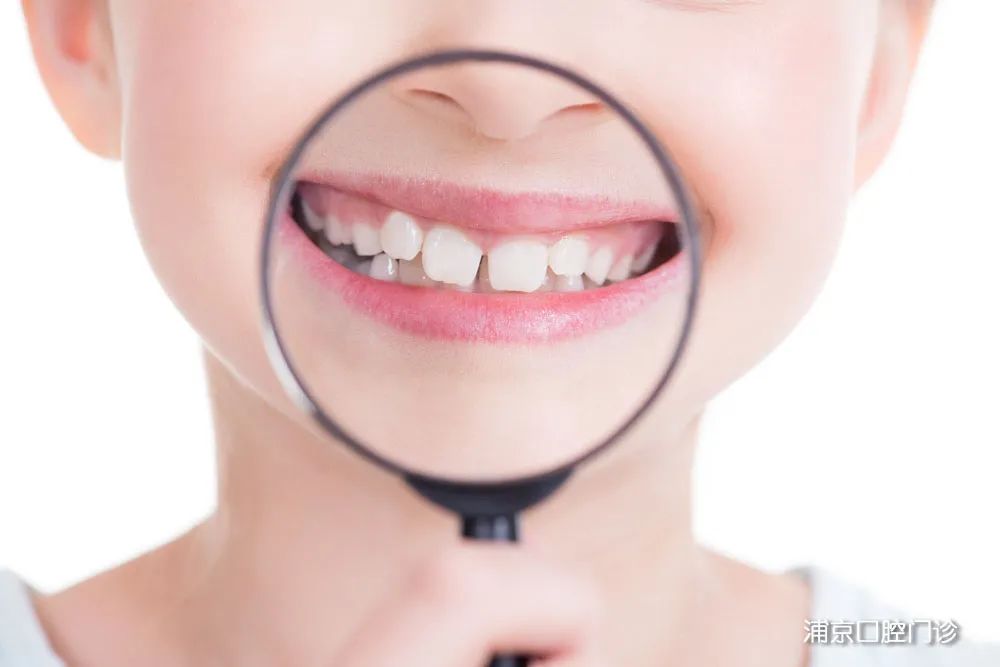
Does the health of primary teeth affect permanent teeth?
Yes, the impact is critical. Tooth decay is bacterial and can spread within the oral cavity. Tooth replacement occurs over an extended period, and each primary tooth exfoliates at a different age. If a primary tooth that is due to fall out later develops caries while a healthy permanent tooth has already erupted nearby, that permanent tooth is at high risk of decay.
Before primary teeth are shed, the crowns of the corresponding permanent teeth lie underneath them for several years, sitting very close to the roots of the primary teeth. When decay reaches the root of a primary tooth, it can easily harm the developing permanent tooth beneath it.