

Orthodontic
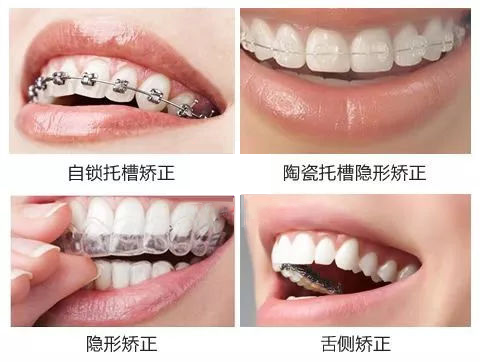
Orthodontic treatment aims to correct malocclusion and dental deformities. Orthodontics studies the etiology, diagnosis, prevention and management of malocclusion, delivering functional improvement as well as aesthetic benefits for teeth.
Various orthodontic appliances are used to harmonize the relationship between facial bones, teeth, masticatory nerves and muscles. It adjusts abnormal relationships between upper-lower jaws, upper-lower teeth, teeth-jawbone and their associated neuromuscular system. The ultimate goal is to achieve balance, stability and aesthetics of the stomatognathic system.
Optimal treatment timing varies with age groups:
1. Primary-dentition stage (3-5 years old)
Treatment focuses on guiding normal maxillofacial growth. Indications include anterior cross-bite (underbite), mandibular protrusion and posterior cross-bite. Harmful oral habits such as tongue-thrusting and lip-biting should be corrected promptly to prevent progression of malocclusion.
2. Mixed-dentition stage (Girls: 8-10 years; Boys: 9-12 years)
Minor local crowding often does not require immediate intervention. Patients with persistent bad oral habits, abnormal facial profile, anterior cross-bite, functional mandibular retrusion or abnormal jaw-to-jaw relationship should visit an orthodontist. The condition will be classified as dental, functional or skeletal so that an appropriate treatment plan can be made.
3. Permanent-dentition stage (Girls: 11-14 years; Boys: 13-15 years)
By around 12 years of age, permanent teeth have mostly erupted. Dental crowding will not self-correct and requires orthodontic intervention. This is the prime time for adolescent orthodontic treatment, and most forms of malocclusion can be addressed at this stage.
Average orthodontic treatment lasts approximately two years. Duration varies according to patient age, severity of malocclusion and individual tooth response to forces. Good cooperation, regular appointments, proper oral-hygiene maintenance and care of appliances will greatly improve treatment efficiency.
Specialists at Pujing Dental Clinic remind you that fitting braces is not a once-and-for-all solution. Diet and oral care during orthodontic therapy may affect both treatment length and final outcome.
To reduce caries risk, limit sugar intake and carbonated drinks. Thoroughly brush teeth after every meal, supplemented by dental floss and interdental brushes, to prevent enamel demineralization, tooth decay, gingivitis and other complications.