

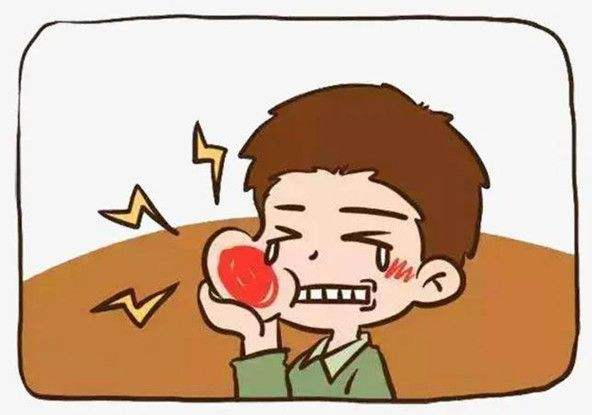
Many people suffer from severe toothache at night, which ruins sleep and may even lead to facial swelling next morning. Night‑time toothache is mostly a warning sign of dental disease. Below are common causes and temporary home relief tips.
Common causes of night‑time toothache
1. Postural change raises intra‑pulp pressure (typical for pulpitis)
When you sit or stand during daytime, your head stays relatively high. When lying down at night, blood flow to the head increases. Pressure inside the closed pulp chamber rises and compresses dental nerves, worsening pain. This is the main physical reason for night pain caused by pulpitis.
2. Changes in attention and nerve sensitivity
Busy daily activities distract you and reduce pain perception. At night in quiet surroundings, you focus more and nerve sensitivity increases, so pain feels more intense subjectively.
3. Reduced saliva secretion aggravates irritation
Saliva dilutes and washes away inflammatory exudate from infected pulp. Saliva production drops during sleep, inflammatory substances accumulate and further irritate dental nerves.
⚠️Note: Spontaneous severe toothache at night is most frequently caused by acute pulpitis. The factors above only aggravate pain; the root cause is inflamed pulp tissue inside the tooth. Home measures only offer temporary relief instead of cure. Recurrent night‑time toothache requires prompt dental treatment.
Temporary home relief for night‑time toothache (for emergency only, not a substitute for professional treatment)
Method 1: Gum and acupoint massage
Gently massage gums with index finger for about 10 minutes after waking up. During toothache episodes, massage Housanli and Hegu acupoints to ease discomfort.
Method 2: Remove food impaction
If food gets stuck between teeth, rinse mouth with luke‑warm water. Use dental floss gently to remove debris if rinsing fails; avoid injuring gums.
Method 3: Cold compress on cheek
Apply cold compress on the cheek over the aching area for 15 minutes per time. Do NOT use cold compress if the face is swollen with purulent inflammation.
Method 4: Pain‑killer precautions
Never place aspirin powder directly onto gums; it will burn oral mucosa.
Read drug instructions carefully before oral pain‑killer intake. Aspirin may irritate stomach and should be used cautiously for patients with gastric disease or bleeding tendency. Do not take medicine frequently without medical advice.
Important reminder: All above methods are only for temporary emergency relief. Massage, cold compress and medication cannot cure pulpitis or periapical disease. Definitive dental treatment is required. Seek dental care promptly if you have repeated night toothache or facial swelling.
For enquiries, please call Pujing Dental Clinic: 400‑0650‑898.