

Statistics show that one out of every four people with missing teeth is a young adult. Tooth loss is no longer a problem only seen among the elderly.
A recent epidemiological survey indicates the tooth‑loss rate among 25‑44‑year‑olds ranges from 23% to 25%. Do you know what oral changes occur when teeth are left missing for a long time?
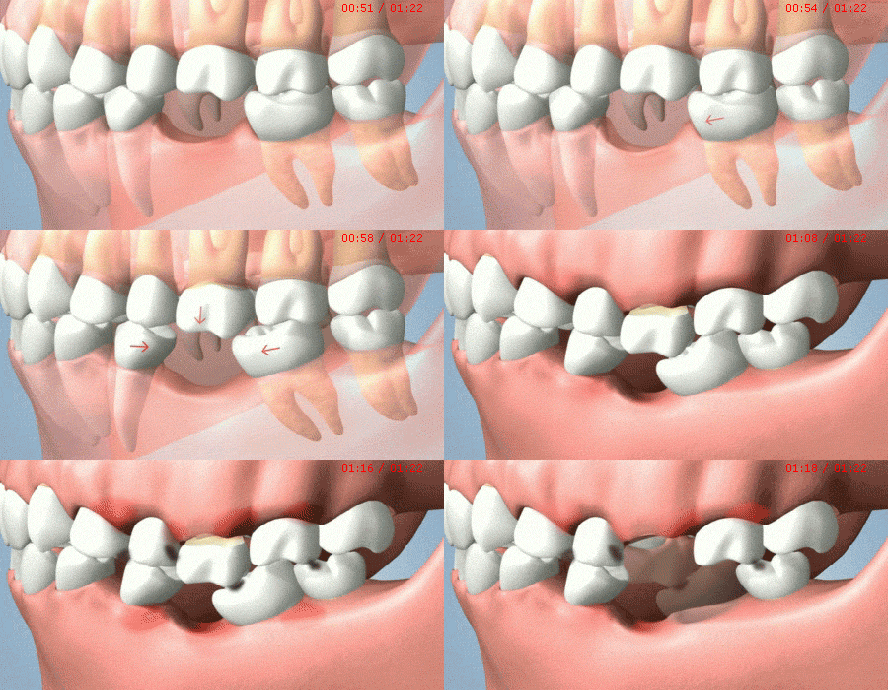
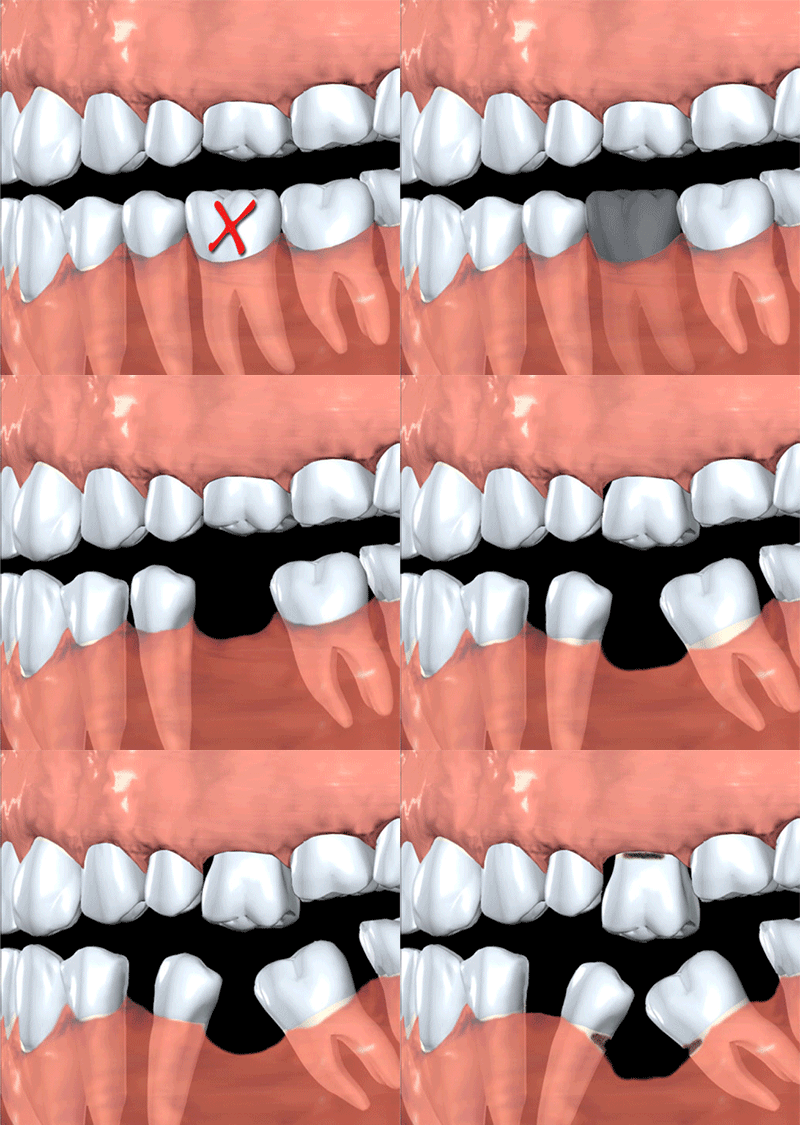
With prolonged tooth loss, adjacent teeth tilt toward the edentulous space, while opposing teeth over‑erupt. This not only compromises facial appearance but also triggers multiple oral complications.
1. Premature facial aging
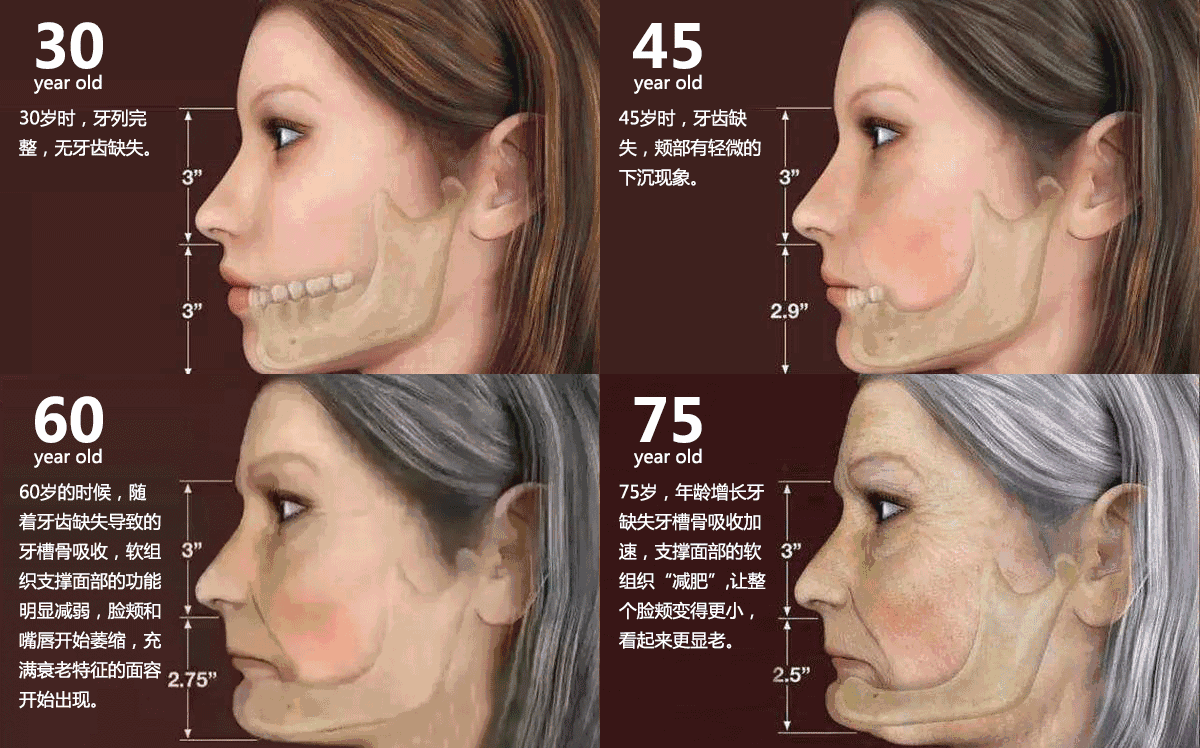
Teeth play a key role in supporting facial contours, especially front teeth, which greatly influence facial aesthetics. Missing front teeth can make a person look less vibrant and more aged. When most or all teeth are lost, cheeks lose bony support and cave inward. Lips lose fullness, facial folds deepen, nasolabial folds become more pronounced, mouth corners droop, and obvious facial aging appears.
2. Gastrointestinal complications
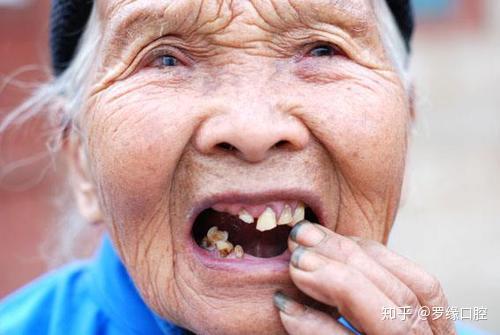
Tooth loss first reduces chewing efficiency, depending on the position and number of missing teeth. Missing anterior teeth impairs food biting; missing posterior teeth weakens food grinding. Poorly chewed food passes directly into the digestive tract, increasing gastrointestinal burden and hindering nutrient absorption. Long‑term consequences may include digestive disorders. In full‑mouth edentulism, lip closure becomes difficult and swallowing may also be affected.

3. Damage to remaining natural teeth
Chewing forces shift onto the remaining teeth after tooth loss. Gaps from missing teeth deprive adjacent teeth of constraint and support, overloading surviving dentition. Left untreated, adjacent teeth tilt and opposing teeth over‑erupt. This raises risks of dental caries and periodontal disease, further damaging remaining teeth. When few natural teeth remain, excessive occlusal force accelerates alveolar bone resorption, resulting in tooth mobility or even tooth loss. The longer and the more teeth are missing, the greater the harm to remaining teeth.
4. Impaired speech
Missing teeth, particularly front teeth, can cause speech impairment or "air leakage" during pronunciation. Unclear speech interferes with daily communication and may negatively impact psychological well‑being.
5. Temporomandibular Joint (TMJ) disorders
Patients often develop a habit of unilateral chewing because of reduced function on the tooth‑loss side. With extensive or long‑standing tooth loss, tilted and over‑erupted teeth create occlusal interferences and malocclusion. These disrupt TMJ stability and may lead to joint injury and dysfunction.
TFor the above reasons, seek dental care promptly after tooth loss and follow your dentist’s advice for timely restoration.
There are three main tooth‑replacement solutions:
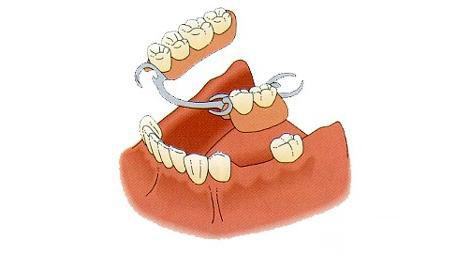
1. Removable Partial/Complete Dentures.Dentures are secured by clasps that grip onto remaining natural teeth, with artificial teeth to restore chewing function.Suitable for all patients with missing teeth.
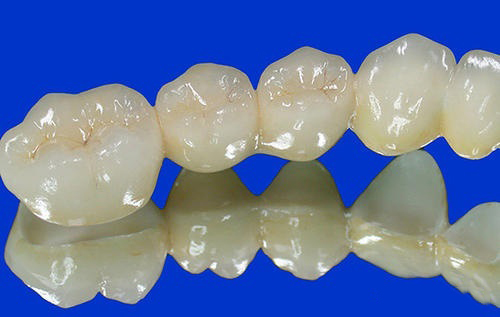
2. Fixed Porcelain Bridge.One of the most widely used clinical restorations for missing teeth.Advantages: Comfortable, aesthetic, sturdy and durable.
3. Dental Implants.A biocompatible implant fixture is surgically placed into jawbone to support the suprastructure crown. Dental implants are globally recognized as the gold‑standard treatment for missing teeth.Advantages: Natural appearance, near‑natural chewing performance, cost‑effective, excellent masticatory force.
The most suitable restoration option for you depends on your individual alveolar bone condition.