

One‑quarter of orthodontic patients wearing braces are adults. Some adults avoid orthodontic treatment because they feel self‑conscious about visible braces. If this describes you, lingual braces may be right for you.
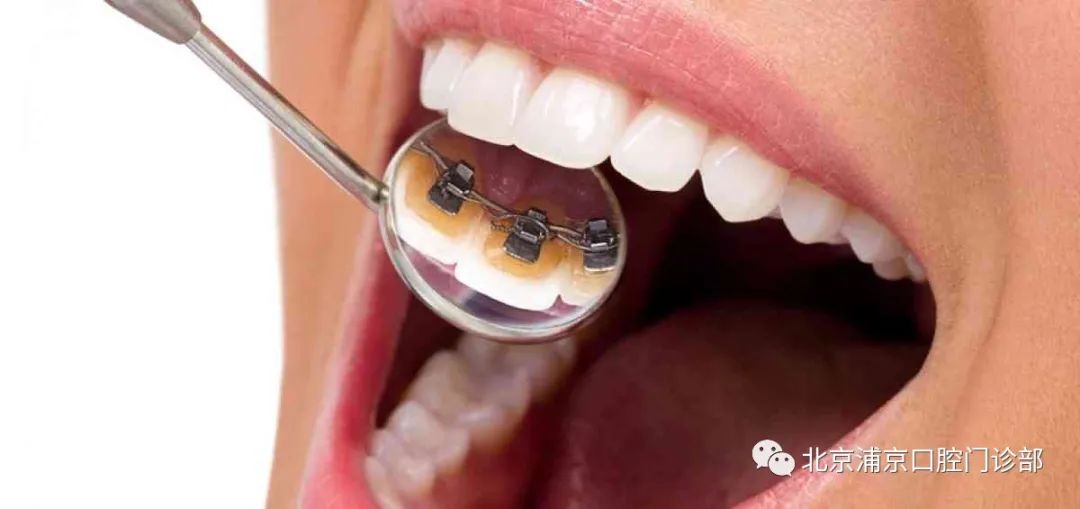
What Are Lingual Braces?
Lingual braces are one form of aesthetic orthodontic treatment. Other aesthetic orthodontic options available include clear plastic aligners and ceramic labial braces. Lingual braces are bonded to the lingual (tongue‑facing) back surface of your teeth.
Advantages of Lingual Braces

Invisibility
All brace components — brackets, archwires, and elastic bands — are mounted on the inner surfaces of teeth. They are barely visible to others unless you open your mouth very wide.
Possibly less pain (mixed study results)
Study findings are inconsistent. One study of 130 patients with different orthodontic appliances found that patients wearing lingual braces reported lower pain levels in the first month of treatment.
Other research shows lingual braces tend to cause tongue irritation, while users of conventional braces more often experience lip and cheek soreness. A survey of 60 patients with labial and lingual braces found no significant difference in pain ratings; discomfort subsides over time.
A separate study of 68 adults compared lingual braces with Invisalign. It concluded that lingual braces caused more severe pain and longer recovery periods. Many patients still had eating difficulties two weeks after placement.
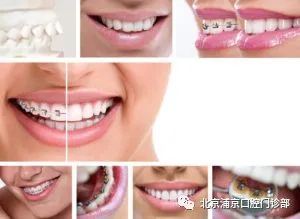
Disadvantages of Lingual Braces
Lingual orthodontics demands specialized techniques different from conventional treatment. Many orthodontic training programs do not cover clinical training for lingual appliances. It can therefore be difficult to find an orthodontist with adequate training.
Effects on speech
All braces, whether labial or lingual, will affect speech in the initial adaptation period.
Research indicates lingual braces may prolong speech impairment. In one study of 24 adults, speech difficulties persisted for one month with lingual braces, whereas patients with labial braces regained normal speech within one week.

Another study noted pronunciation issues could still be present three months after fitting lingual braces. Even so, speech‑related problems gradually improve with adaptation.
Expense
Lingual braces generally cost more than labial braces, especially custom‑made lingual systems. Prices vary by orthodontist, location and case complexity. Custom‑made lingual braces may cost twice as much as labial braces.
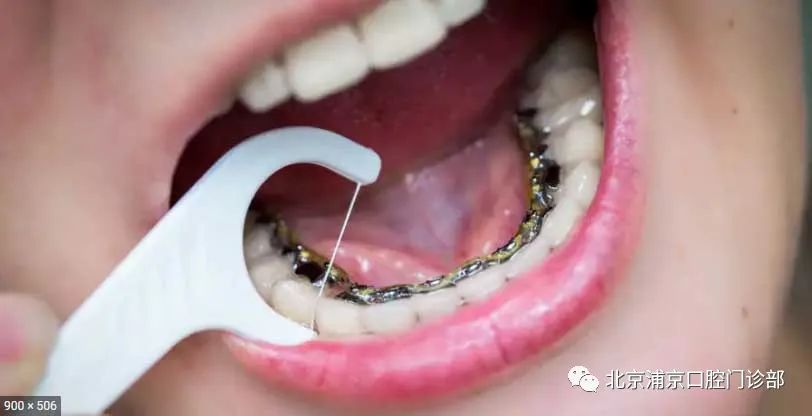
Oral Hygiene Challenges
Lingual braces make daily oral cleaning more challenging. Food debris easily gets trapped between brackets and tooth surfaces. Lingual brackets fit more tightly against teeth. Using a water flosser helps remove trapped food particles.