


Have you considered replacing your missing teeth? Teeth and gums shape our smile. They play a key role in self‑image and confidence. When you lose a tooth, you will look for ways to fill the gap. Dental implants are one of the modern solutions clinics offer to restore your smile.
Dental implants differ from dental bridges and dentures. While all of them restore missing teeth, implants require surgical placement and a healing period. Understanding what the surgery involves helps set realistic expectations about pain levels.
Will the surgery hurt? What can you expect during the procedure?
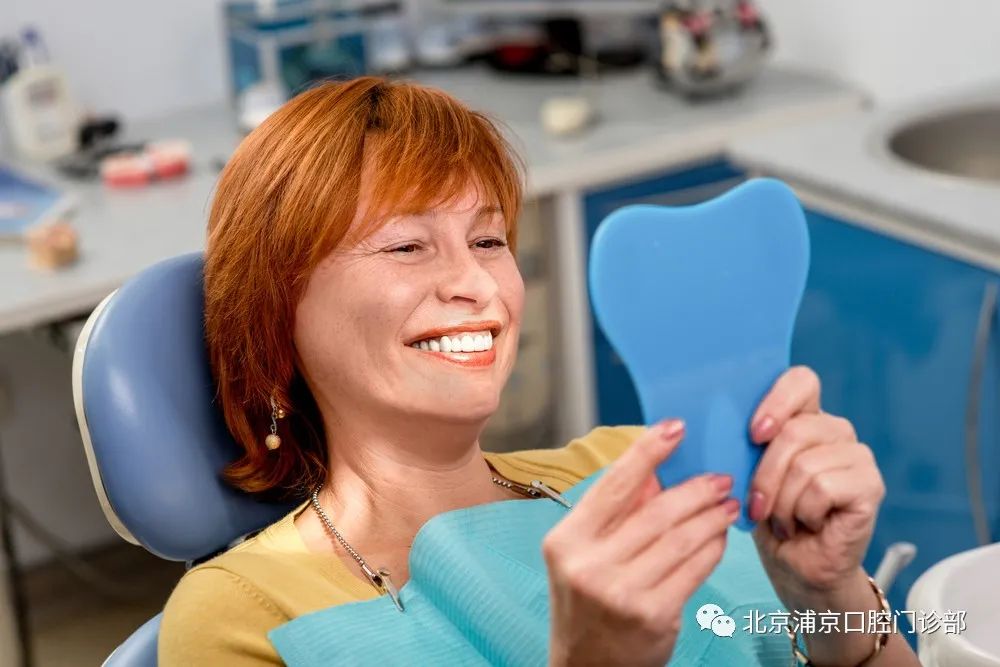
Dental implant treatment has two main phases: the surgical procedure and post‑operative recovery. A dentist surgically places the implant into your jawbone, which requires making an incision in the gum. This may sound painful. However, local anaesthesia is administered before treatment starts.
It is similar to the anaesthesia you receive for a dental filling. Once the area is fully numb, the dentist cuts open the gum tissue to expose the jawbone. You will feel no discomfort while the region is anaesthetised.
Next, a socket is prepared in the jawbone for the implant. Though it sounds intimidating, jawbone contains no pain‑sensing nerves. You may feel pressure, but you will not feel drilling pain. The implant is then screwed into position.
For a single implant, the whole process including anaesthesia, incision, drilling and implant placement takes roughly one hour. When the dentist is satisfied with implant positioning, the gum incision is closed with sutures. You feel no pain while local anaesthesia remains effective. Your dentist may prescribe pain medication before surgery so you have relief once the anaesthetic wears off — this marks the start of the healing phase.
What happens during healing?
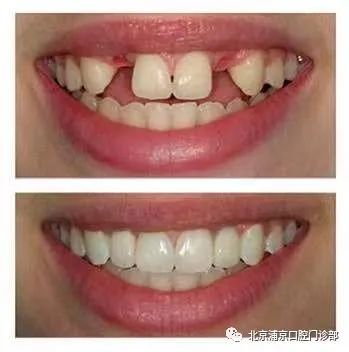
Once anaesthesia fades, some degree of soreness may occur. This discomfort is generally manageable. Your dentist may recommend over‑the‑counter pain relievers to ease post‑operative discomfort. It is critical to follow all post‑care instructions:
- Avoid drinking through a straw for 24 hours after surgery
- Expect mild swelling for 2‑3 days
- Rinse your mouth with salt water 3‑4 times per day starting the day after surgery
- Avoid hot food within the first 48 hours
- Stick to a soft‑liquid diet for 24‑48 hours
- Do not smoke for at least three days after surgery
Recovery varies from person to person. For straightforward cases, severe pain is uncommon during surgery or recovery. If pain persists for several days, contact your dentist promptly for follow‑up care. Implant surgery is not entirely discomfort‑free, yet it is among the more minor oral surgical procedures. Many patients report less post‑operative pain compared with tooth extraction. Note: more significant discomfort may occur if bone grafting is performed at the same time.
Should you consider dental implants?

If you are thinking about dental implants, the first step is to consult your dentist. Your dentist will walk you through the procedure, expected outcomes and after‑care guidance. The clinic can also compare costs across different tooth‑replacement options.
Dental implants are not suitable for every patient. Some people need preliminary supplementary procedures. Bone grafting and sinus lifts are common treatments to improve jawbone quality.
Long‑term denture wearers often suffer bone loss, which frequently makes immediate implant placement impossible. At the initial consultation, your dentist will evaluate your remaining teeth, gums and jawbone volume to assess whether you are a good candidate for implants. Even if your current bone condition is unfavourable, you may still be able to receive implants. Your dentist can create a treatment plan including bone grafting or sinus lifts to prepare the jaw for implant placement.
Conclusion

Any surgical procedure can feel intimidating. You may worry about incisions, drilling and sutures. The key point is you should feel no pain during implant surgery thanks to local anaesthesia. Discomfort during recovery is usually mild and can be controlled with over‑the‑counter analgesics such as paracetamol for suture‑related soreness.