

Small gaps hold big secrets. Never underestimate the gaps between your teeth. If you only rely on a toothbrush for cleaning, chances are your teeth have never been thoroughly cleaned.
This is no alarmist talk.

Brushing teeth is certainly effective for oral hygiene, yet it cannot fully remove food debris trapped in interdental spaces. Over time, leftover food particles stuck between teeth may lead to tooth decay and trigger gum problems.
Daily flossing is one of the most effective solutions for interdental cleaning. Still, many people have concerns about using dental floss:
> Will dental floss widen gaps between teeth?
> Why can't I get floss through my teeth gaps?
Will dental floss widen tooth gaps?
No. Human teeth have slight physiological mobility. Dental floss is made of fine woven fibers. It deforms and thins when passing through tight gaps, allowing it to slide through easily. When used correctly, floss will not make your tooth gaps larger.
Why won't floss fit through my tooth gaps?
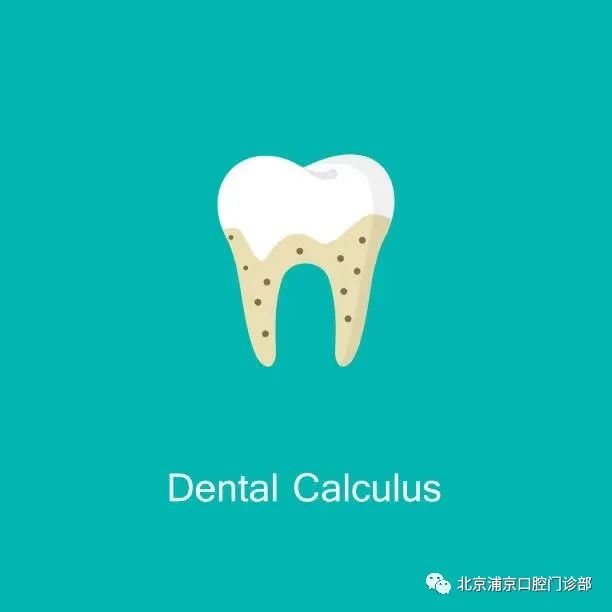
First, check whether tartar is the cause.
What does tartar look like?
It is stone‑like, usually yellow‑brown. It often builds up on the inner side of teeth and accumulates in interdental spaces, blocking dental floss. Maintain good oral hygiene and get dental check‑ups and professional teeth cleaning every six months.
The importance of daily interdental cleaning is clear. If you stick to flossing every night before bed, your oral hygiene routine is already better than that of most people in the country.