

Immediate implant placement means inserting artificial implants immediately after tooth extraction. According to current consensus, there are four categories for implant‑placement timing following extraction. Immediate placement falls into Category 1: implants are placed at the time of extraction. Category 2 and Category 3 are grouped as early implant placement. Category 4 is also known as late implant placement.
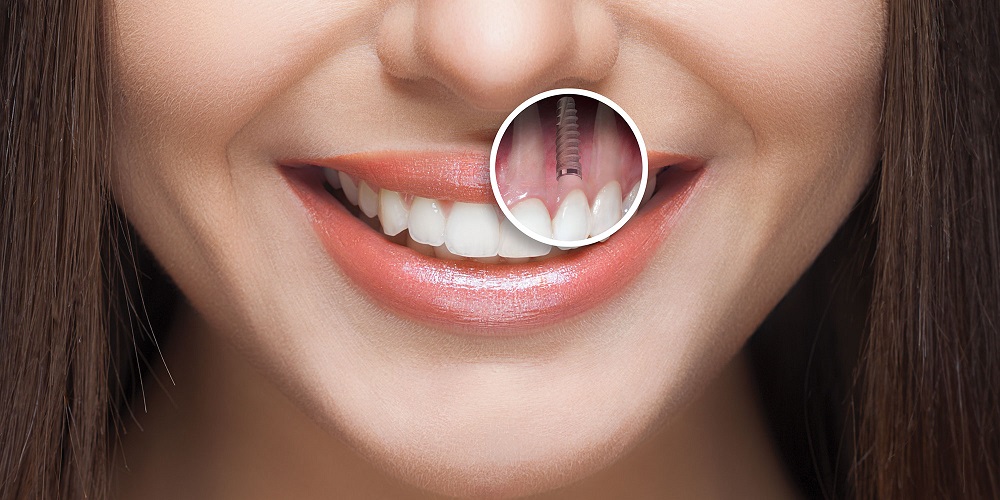
Specialists at Pujing Dental Clinic explain that immediate dental implant placement refers to inserting artificial roots directly into the fresh extraction socket right after removing the diseased tooth, completing extraction and implant placement in one procedure. Generally, immediate implants are more suitable for anterior teeth and premolars, where adequate alveolar bone is present apically. Patients with tooth mobility caused by alveolar‑bone loss may not be candidates for immediate implant surgery.
Immediate placement reduces surgical episodes, shortens total treatment time and brings less surgical trauma and discomfort for patients. Thanks to advances in surgical techniques, implant geometry and surface modification, numerous studies over the past decade show that with strict indication selection, immediate implants achieve success rates comparable to implants placed in fully‑healed alveolar ridges.
Immediate implants are mostly indicated for anterior teeth and premolars. A minimum of 3‑5 mm bone apical to the root is required to secure adequate primary stability. For molar sites, inter‑radicular bone after extraction is often insufficient for implant stability, so immediate placement is seldom used clinically. Late placement is usually performed 4 months after extraction once the socket is fully healed.
Moreover, sites with substantial bone defects or soft‑tissue inflammation secondary to periodontal disease or periapical lesions are poor candidates for immediate implants. For such anterior‑tooth cases, early implant placement is recommended.
Considerable clinical research points to aesthetic risks associated with immediate implants, especially in the maxillary anterior region. Many publications report labial gingival recession after immediate placement in maxillary anterior sites, even with exposure of implant neck, which severely compromises aesthetic outcomes. Aesthetic requirements for local anatomy are demanding for immediate implants. Caution should be exercised for patients with thin gingiva, labial bone‑plate deficiency or high smile‑line; early implant placement after extraction may be preferred.
Pujing Dental Clinic reminds patients with missing teeth: immediate implant surgery sets high standards for disinfection, implant angulation and depth. Treatment must be carried out in qualified dental facilities by certified experienced implant surgeons. Patients should choose clinics and specialists prudently.