

Dental caries, commonly known as “worm‑eaten teeth”, seriously harms children’s oral health and physical development. Surveys show that over 70%‑80% of caries among Chinese children and adolescents occur in tooth pits and fissures.
As early as 1971, the American Dental Association (ADA) confirmed the effectiveness of pit‑and‑fissure sealing and began recommending this preventive treatment. Still, many parents have questions: What exactly is pit‑and‑fissure sealing? Is it really necessary? At what age should it be done? Below we explain pit‑and‑fissure sealing in detail.
1. What is pit‑and‑fissure sealing?
The chewing surfaces of teeth, especially back molars, are irregular. Bacteria and food debris easily get trapped inside these grooves, greatly raising caries risk.
(The red arrow in the left image points to pits and fissures prone to cavities; the right image shows teeth after sealing, protecting these grooves from decay.)
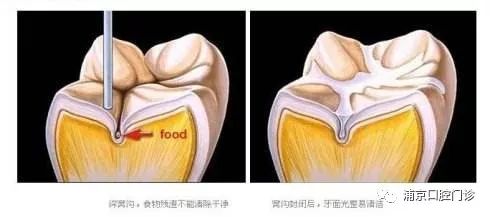
Brushing and rinsing cannot thoroughly clean deep pits and fissures. Properly sealing these grooves can significantly lower children’s risk of tooth decay.
Pit‑and‑fissure sealant is applied onto the pits and fissures of tooth chewing surfaces to create a protective barrier, effectively reducing cavity risk.
2. How does pit‑and‑fissure sealing work?
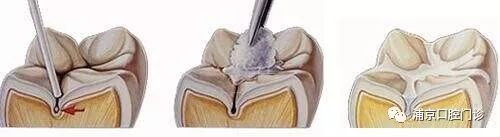
A safe, self‑curing dental resin material is flowed into deep pits and fissures. Once hardened, the material stays within the grooves long‑term. It acts as a physical barrier, shielding teeth from bacteria and food debris — like putting a protective “coat” over the tooth surface.
3. When should children get pit‑and‑fissure sealing?
The ideal timing is when teeth are **fully erupted and remain caries‑free**, making childhood an ideal window for sealing. Treatment can be performed once the occlusal surface is fully exposed, generally within 4 years after tooth eruption. Saliva can naturally clean smooth tooth surfaces, yet deep pits and fissures cannot be self‑cleaned.
Recommended sealing ages:
‑ 3‑4 years old: primary molars
‑ 6‑7 years old: first permanent molars
‑ 9‑13 years old: premolars
‑ 11‑13 years old: second permanent molars
4. Is pit‑and‑fissure sealing painful?
Pit‑and‑fissure sealing is quick, pain‑free and completed in one single visit. The dentist will first clean and dry the teeth, apply sealant material into pits and fissures, then use a special curing light to harden the resin.
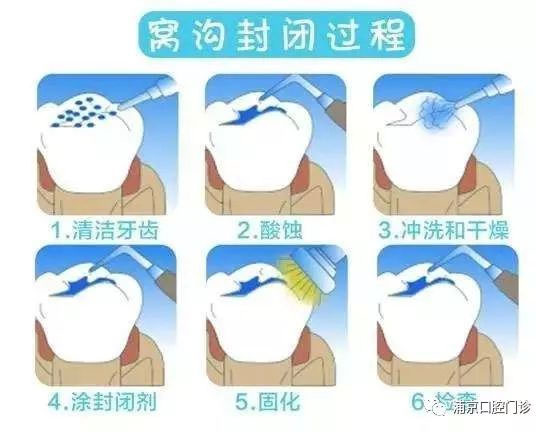
Sealing all four first permanent molars normally takes around 20 minutes. Children only need to keep their mouth open and cooperate. Since no tooth grinding or drilling is required, there is no pain.
A follow‑up check‑up is recommended six months after sealing. If sealant loss is found, re‑sealing will be needed. Even after sealing, proper daily brushing remains essential to minimize caries risk.
5. After pit‑and‑fissure sealing: care tips & can teeth still decay?
Teeth can still develop caries theoretically after sealing. Sealants may wear or fall off. If a child produces excessive saliva during the procedure, the sealant layer may bond poorly and come loose. Parents should regularly observe children’s teeth and seek dental care promptly if abnormalities are noticed. Annual dental check‑ups are strongly advised for early prevention, as dental conditions respond well to early intervention.
Even with pit‑and‑fissure sealing, careful brushing and daily flossing are still indispensable.
Pit‑and‑fissure sealing is only one part of children’s cavity‑prevention strategy. Brushing, flossing, balanced diet, controlled snack intake and regular dental visits are all key to maintaining bright, healthy smiles for children.