


What is root canal treatment?
Root canal treatment aims to eliminate bacteria inside infected root canals, prevent reinfection and save the natural tooth.
During root‑canal therapy, inflamed or infected pulp is removed. The inside of the tooth is carefully cleaned and disinfected, then filled and sealed.
What happens during root canal treatment?
If your dentist recommends root canal treatment for a damaged or diseased tooth, there is no need to worry. Millions of teeth are treated and saved this way each year, relieving pain and restoring teeth to health.
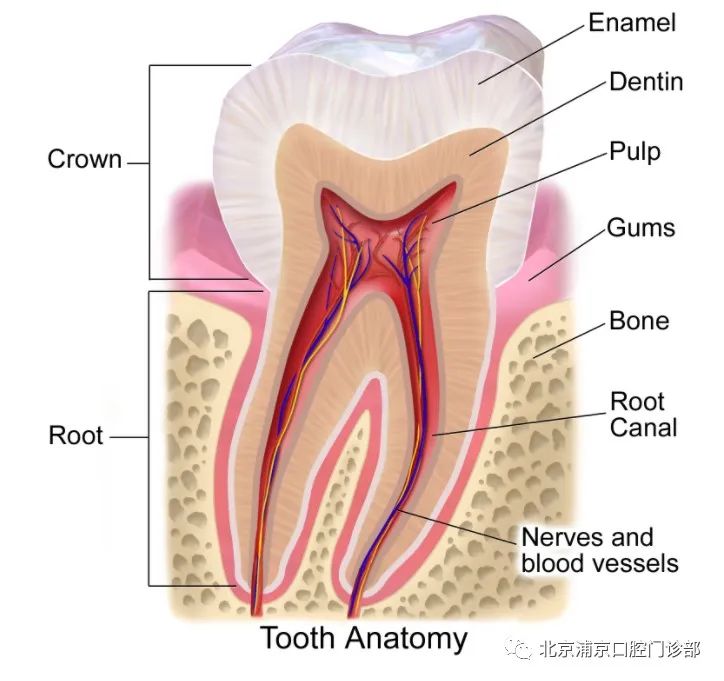
Beneath the white enamel and the hard layer of dentin lies the soft tissue called the pulp. This tissue contains blood vessels, nerves and connective tissue, which help root growth during tooth development. A fully‑developed tooth can survive without pulp because surrounding tissues continue to supply nutrients.
Your dentist or endodontist will examine the tooth and take X‑rays. Local anesthetic is usually given for pain relief. During treatment, a latex sheet known as a rubber dam is used to isolate the tooth and keep it clean and dry.
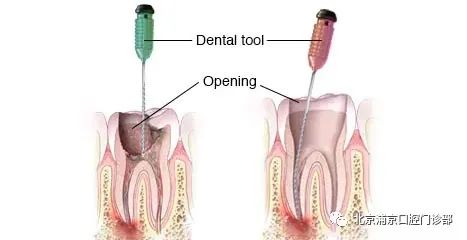
To access the pulp, an opening is made in the tooth with a dental drill. Using special instruments called files, your dentist or endodontist removes the inflamed or infected pulp.
Each root canal is cleaned, shaped and enlarged. Anti‑inflammatory and antibacterial medication may be placed inside the canals to control inflammation and infection. If a severe abscess forms around the tooth root, oral antibiotics may be prescribed.
Root‑canal treatment may require several appointments to complete. Between visits, a temporary filling will protect the inside of the tooth.
Pain or discomfort, if it occurs, usually lasts no more than a few days and does not happen to every patient. Some people may take mild pain‑relievers such as ibuprofen or paracetamol.
Your dentist may take several X‑rays to check canal shape, length and treatment outcome.
A tooth does not “die” after pulp removal. It can function without pulp because nutrients are mainly supplied by surrounding periodontal tissues.
Frequently Asked Questions about Root Canal Treatment
Does root canal treatment hurt?
With local anesthesia, root canal treatment is no more painful than routine dental procedures such as fillings or wisdom‑tooth extraction. Still, some soreness or tenderness may occur after treatment and may last for a few days.
Can I go back to school or work after root canal treatment?
Your mouth will remain numb for 2‑4 hours after treatment. Most patients can return to school or work immediately afterwards. Do not eat until numbness wears off completely.