

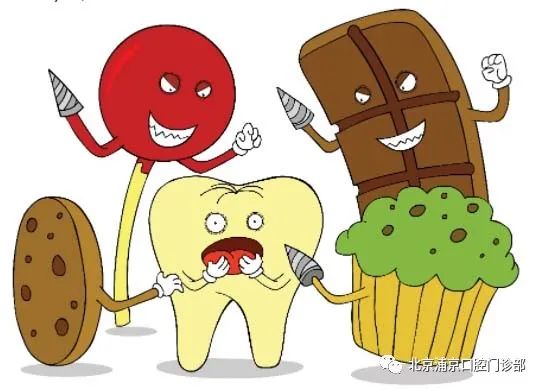
Candy contributes to tooth decay, but not as directly as you might think. Sugar is the favorite food for harmful bacteria in the mouth. Bacteria feed on sugar and produce acids that demineralize tooth enamel.
The situation gets worse. If you forget to brush and floss, bacteria can turn into plaque, which can further harden into tartar. Both substances are difficult to remove and allow bacteria to keep eroding teeth. Once enamel becomes demineralized, cavities will form before long. If cavities are neglected, decay can reach the inner part of the tooth, cause infection and effectively kill the tooth — which may fall out or require extraction.
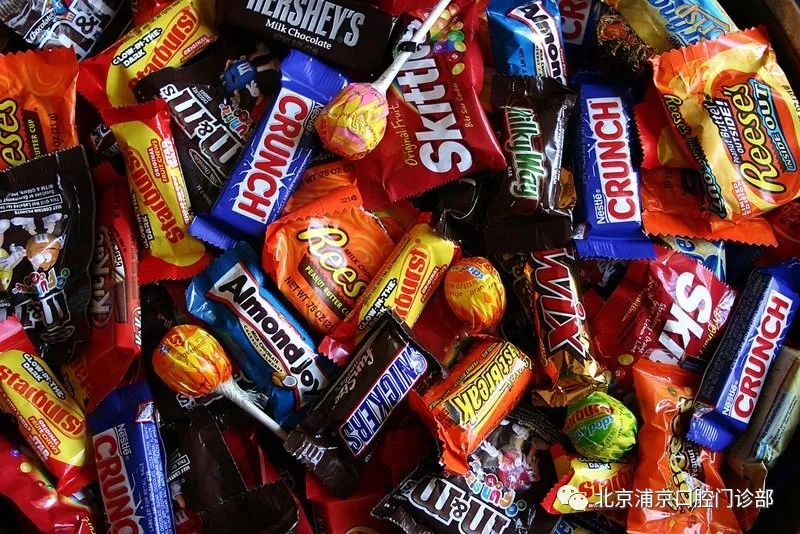
WHAT KINDS OF CANDY ARE THE WORST FOR TEETH?
Sticky, chewy candy like taffy, caramel and gumdrops are the worst because they adhere between teeth, where saliva cannot wash them away easily. Sticky candy can also pull out loose fillings.
Hard candy should also be avoided if possible. It stays in the mouth for a long time, giving harmful bacteria plenty of opportunity to produce acid that attacks enamel.
Also worth mentioning are sour candies, as they contain acids that erode tooth enamel.
WHAT KINDS OF CANDY ARE NOT SO BAD FOR TEETH?
Sugar‑Free Gum, Lollipops and Hard Candies
Gum high in xylitol stimulates saliva production. Saliva helps neutralize oral acid and inhibits acid production by harmful bacteria. Sugar‑free lollipops and hard candies can also boost saliva flow.
Dark Chocolate
It is lower in sugar than milk chocolate and full of antioxidants.
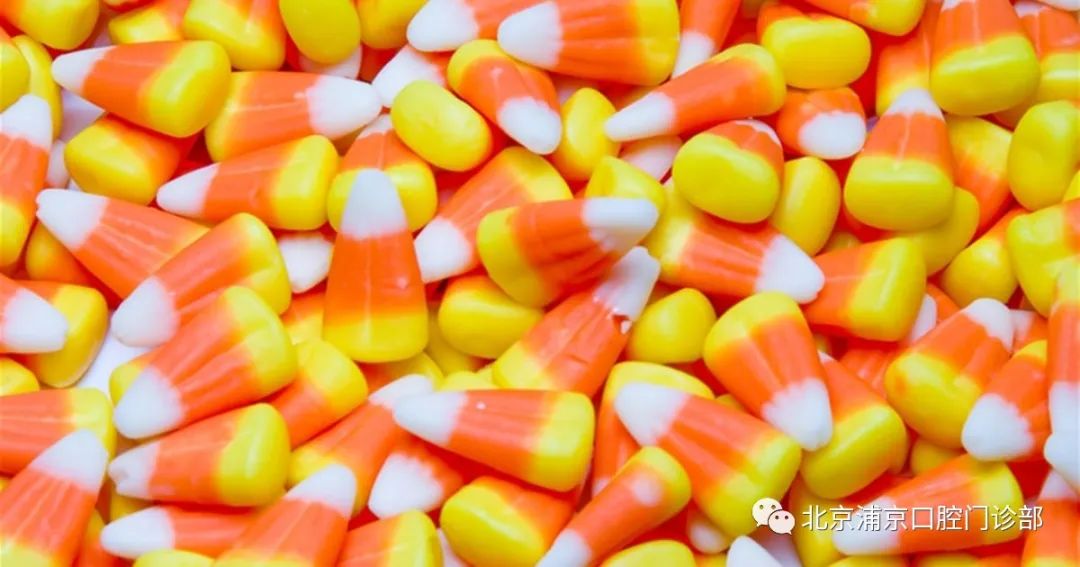
HOW CAN YOU MINIMIZE THE IMPACT OF CANDY ON YOUR TEETH?
Counterintuitively, it is not a good idea to brush your teeth right after eating candy. Contrary to popular belief, acids soften tooth enamel after sugar intake, and immediate brushing may abrade the softened enamel.
A good approach is to rinse your mouth with water, wait 30 minutes, and then brush your teeth.