


We were all impressed by outstanding athletes from around the world during the Winter Olympic Games. On the competition field, athletes strove for their goals with all their efforts. What captivated audiences was not only their remarkable athletic performance, but also their confident and infectious smiles.
A confident smile often starts with well‑aligned teeth.
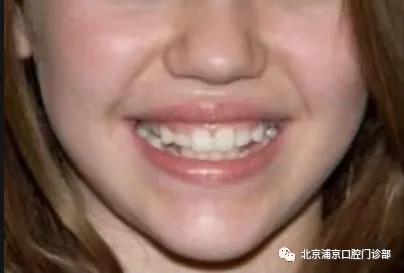
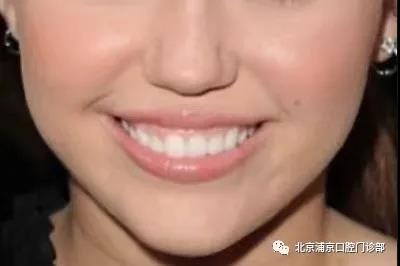
Many people achieve more attractive, balanced smiles after orthodontic treatment.

There is a popular saying that “orthodontics is like a facelift”. It is true that many patients gain improved facial appearance after braces. However, orthodontic treatment is not equivalent to plastic surgery. Facial look is jointly shaped by bone structure, soft tissues and teeth. While skeletal features greatly influence facial profile, orthodontics offers a relatively low‑invasive way to enhance one’s facial look.
Have you ever felt self‑conscious when smiling due to misaligned teeth, holding you back from showing your best self? Beyond cosmetic concerns, crooked teeth may also bring hidden oral‑health risks.
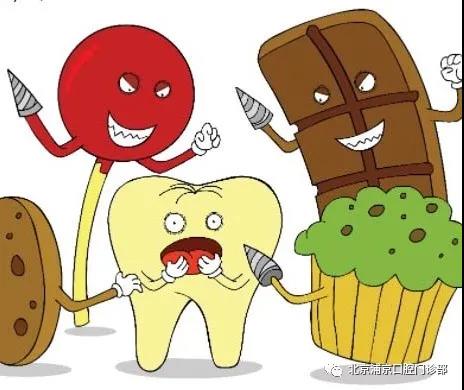
Misaligned teeth create hard‑to‑reach cleaning areas. Long‑term plaque build‑up can lead to tooth decay and, in severe cases, periodontal inflammation. Besides, poorly‑aligned teeth cause occlusal disorders. This compromises chewing function and may interfere with normal jaw development, aggravating conditions such as underbite and mandibular retrognathia.
Below are answers to frequently‑asked questions about orthodontic treatment.
Who needs orthodontic treatment?
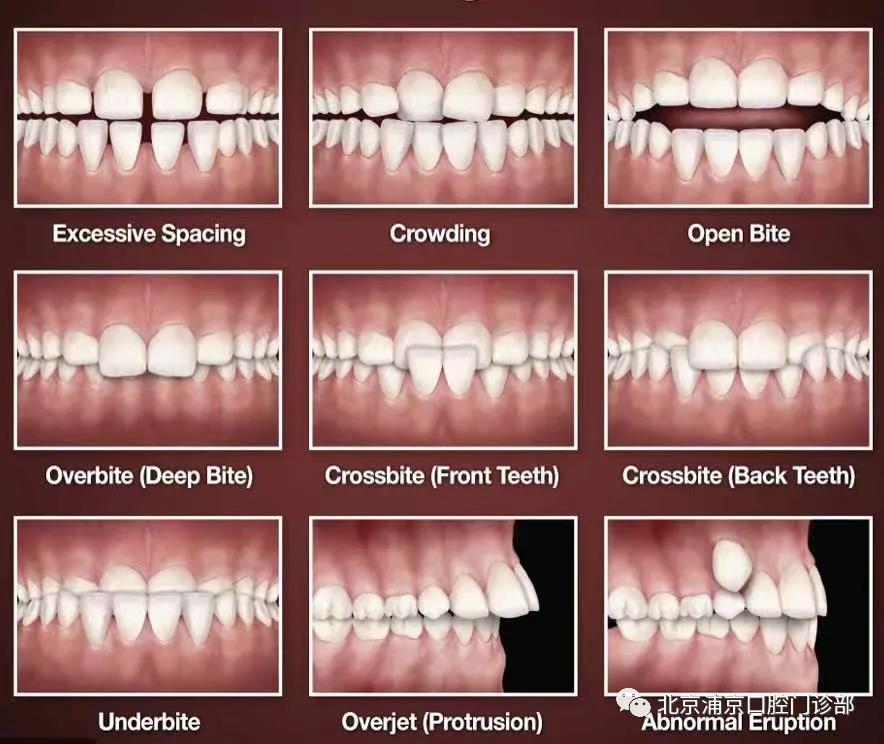
The main goals of orthodontics are to straighten teeth and correct bite relationships. If you have dental issues shown in the reference pictures, it is recommended to schedule an in‑clinic consultation to see whether you are a suitable candidate for braces.
What is the difference between clear aligners and traditional metal braces?
As people pay more attention to aesthetic outcomes, clear aligner technology has emerged. Clear aligners barely interfere with your social life and daily routines during treatment. The appliances are removable, bringing greater flexibility. Nevertheless, clear aligners are not suitable for every malocclusion case and require professional dentist assessment.
How long does clear aligner treatment take?
Treatment duration varies according to the patient’s age and dental complexity, generally ranging from 1 to 3 years. Strictly following your dentist’s instructions, wearing each aligner as required and maintaining good oral hygiene will greatly improve treatment efficiency.
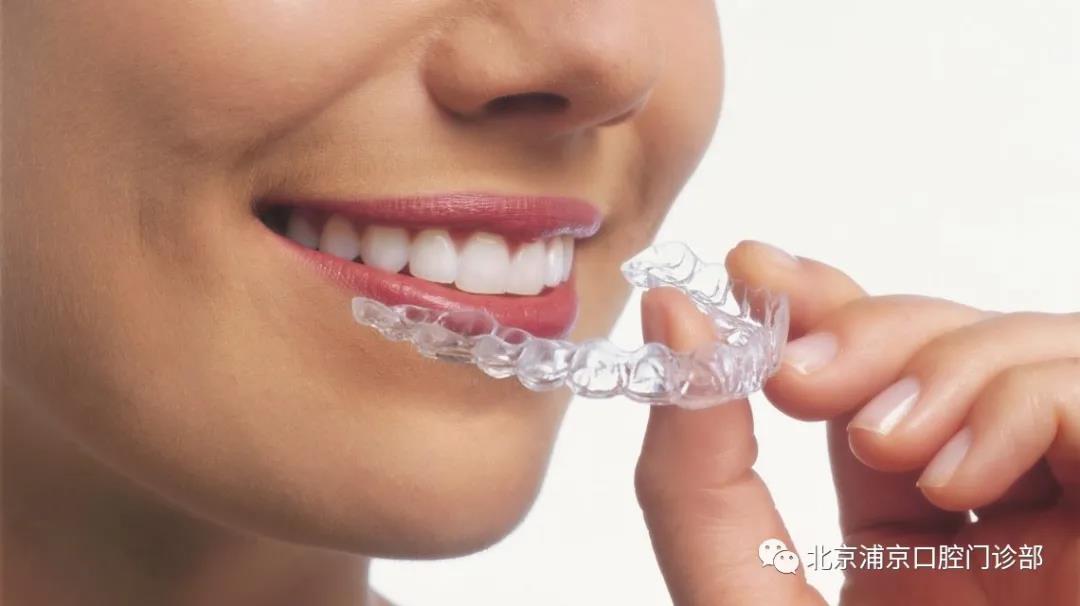
Straight teeth improve your appearance and boost your self‑confidence. Clear aligners cause minimal disruption to your work and daily life, helping you achieve a better smile subtly.