

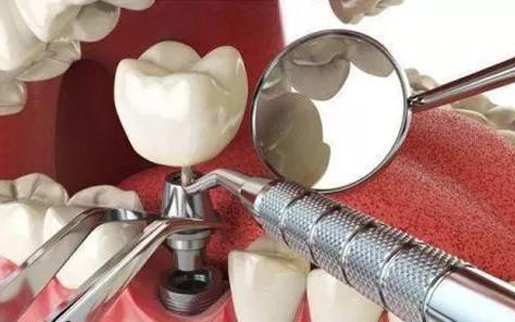
When it comes to the service life of dental implants, some middle‑aged patients with missing teeth hold the misconception that implants can only last ten years. They worry that implants may fall out and that alveolar bone damage will leave no remedy.
Nowadays, thanks to advances in technology and greater attention to oral hygiene, the service life of implants keeps increasing. Most implants can last more than ten years. If an implant fails, reassessment will be carried out according to alveolar bone defects. Re‑restoration with bone grafting is feasible for some patients.
How to make dental implants last longer?
First, keep proper chewing force on implants and avoid excessive loading. After implant placement, start with soft food to allow sufficient adaptation for implants, so that they can function well in chewing.
Second, maintain daily oral and implant hygiene. Poor oral hygiene may lead to peri‑implantitis. Besides regular toothbrushing and flossing, special attention should be paid to the peri‑implant area. Focus on cleaning the gaps between implants and gums as well as surrounding gingival tissues. Choose a round‑head toothbrush with medium‑soft bristles, and clean with toothpaste and warm water.
Third, natural teeth have slight physiological positional changes. Regular follow‑up visits for occlusal adjustment are required to help implants adapt to changing occlusal relationships.
Fourth, regular review and professional maintenance. Daily brushing alone is not enough after implantation. Implants and natural teeth need professional cleaning in clinic. It is generally recommended to receive dental scaling every six months to remove plaque and calculus inaccessible by home brushing.