

Doctors at Pujing Dental Clinic explain that prosthetic dentistry covers restoration for tooth defects and partial / complete edentulism. Porcelain, resin and metal are common materials for dental prostheses.
An inlay is a restoration for defective but retained natural teeth. It is indicated for decayed or damaged teeth with intact roots and does not require tooth extraction.
Dental implant is a treatment for missing teeth. Through minor surgery, implants are placed into the alveolar bone of the edentulous site. After 1‑3 months of osseointegration between implant fixture and bone, a porcelain crown is mounted on top of the artificial root.
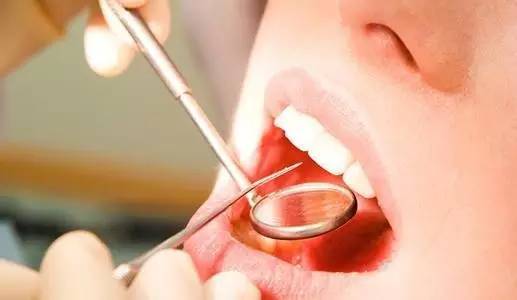
In conventional fixed porcelain‑bridge restoration, two adjacent healthy natural teeth are prepared as abutments to support the bridge and bear masticatory load. Since occlusal force is transferred to neighbouring teeth, the abutment teeth may suffer damage over time, so this option is less popular nowadays.
Dental implants deliver excellent masticatory performance, superior to many conventional prostheses. Supported by their own artificial roots, implants require no preparation of adjacent healthy teeth. Without clasps or bases used in removable dentures, implants integrate firmly with alveolar bone just like natural tooth roots, providing great retention and stability.
Note: Inlays and implants serve different clinical indications. Inlays are preferred when the tooth remains in‑situ with partial structural loss. For complete tooth loss, dental implant is a favourable option provided bone and general health conditions permit. Implant surgery demands high‑level clinical skills; treatment should be performed in qualified formal dental institutions after thorough assessment.