

Minimally Invasive Extraction
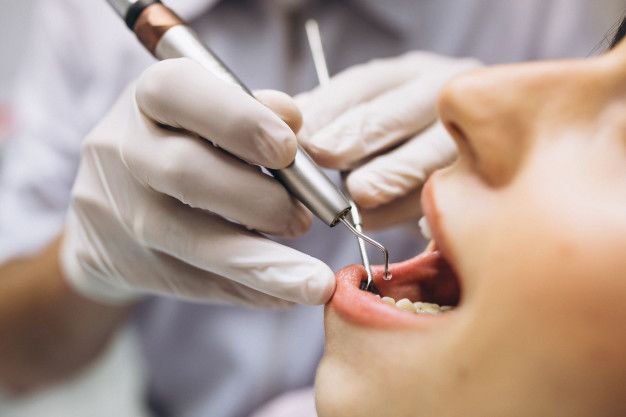
Pre-operative panoramic radiography is taken to fully evaluate the position and root anatomy of the affected tooth. After local anaesthesia is administered, the procedure is carried out under sterile conditions using specially-designed minimally-invasive instruments. The thin, sharp working tip of the elevator severs the periodontal ligament and gently loosens the tooth for atraumatic removal. This technique aims to minimise surgical trauma, improve comfort and reduce discomfort for patients.
Advantages of minimally-invasive tooth extraction
- Reduced discomfort: With effective local anaesthesia, little pain is felt during treatment. Post-operative soreness is also less severe compared with conventional extraction and well-tolerated by most patients.
- Minimal trauma: Fine, precision instruments are used. Surgical power equipment enables accurate bone removal and tooth sectioning, limiting injury to surrounding tissues and lowering post-operative swelling and pain.
- Shorter operation time: Precise sectioning avoids time-consuming chisel-and-hammer procedures. A clear surgical view greatly shortens the duration of surgery.
- Fewer complications: Unnecessary removal of alveolar bone is avoided. The risks of post-operative bleeding, swelling, pain, nerve injury, infection, trismus and temporomandibular-joint trauma are markedly reduced.
- Fast wound healing: Less surgical trauma lowers infection risk, produces milder post-operative symptoms and accelerates socket healing.
- Better psychological experience: Hammering and forceful chiselling are largely avoided. This reduces anxiety, especially for children and elderly patients.